
If you’re upgrading your floral tools for 2026, the right pruning shears can transform how you care for your plants.
You’ll weigh precision, comfort, and durability as you compare options like rust-resistant blades, ergonomic handles, and heavy-duty SK-5 steel.
One choice might surprise you with an automatic blade-sharpening feature that keeps cuts clean with minimal effort. Curious to see which model fits your garden-and why it matters for every cut you make.
Fiskars Bypass Pruning Shears (5/8-Inch Cut Capacity) Garden Clippers
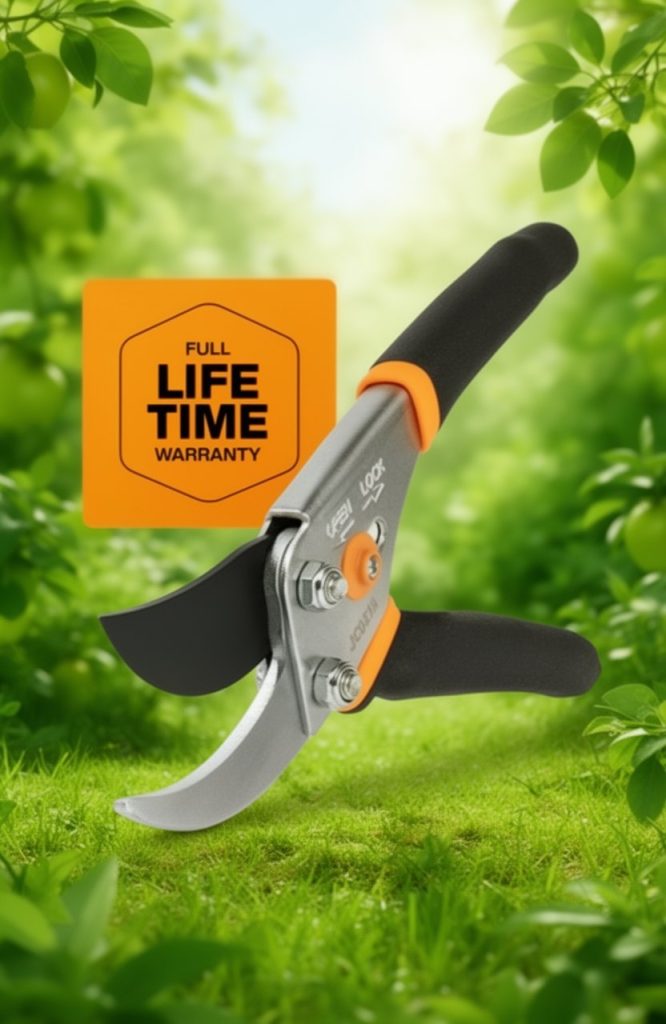
If you want a reliable tool that handles everyday pruning with minimal carpel damage, the Fiskars Bypass Pruning Shears are the best choice.
These clippers feature a 5/8-inch cut capacity, ideal for flower stems and light branches, with a bypass action that protects delicate tissue.
Sharp, precision-ground steel blades stay sharp, aided by a low-friction coating that reduces gumming. Rust-resistant blades endure heavy use, maintaining performance.
Ergonomics matter here: non-slip grip, self-cleaning sap groove, and an easy-open lock guarantee comfortable, continuous work. Backed by a lifetime warranty, these shears promote efficient gardening and lasting value.
Best For: pruning flower stems and light branches with comfort and control. For gardeners who want durable, ergonomic bypass pruning shears.
Pros:
- Sharp, precision-ground steel blades with a low-friction coating for smooth cuts
- Ergonomic, non-slip grip and self-cleaning sap groove for extended use with less sticking
- Rust-resistant blades and a lifetime warranty for lasting value
Cons:
- Cut capacity only up to 5/8 inch, not suitable for thicker branches
- May be heavier than minimalist pruning tools for some users
- Requires occasional maintenance to preserve blade sharpness and coating
Fiskars Bypass Pruning Shears with 5/8″ Capacity and Comfort Handle
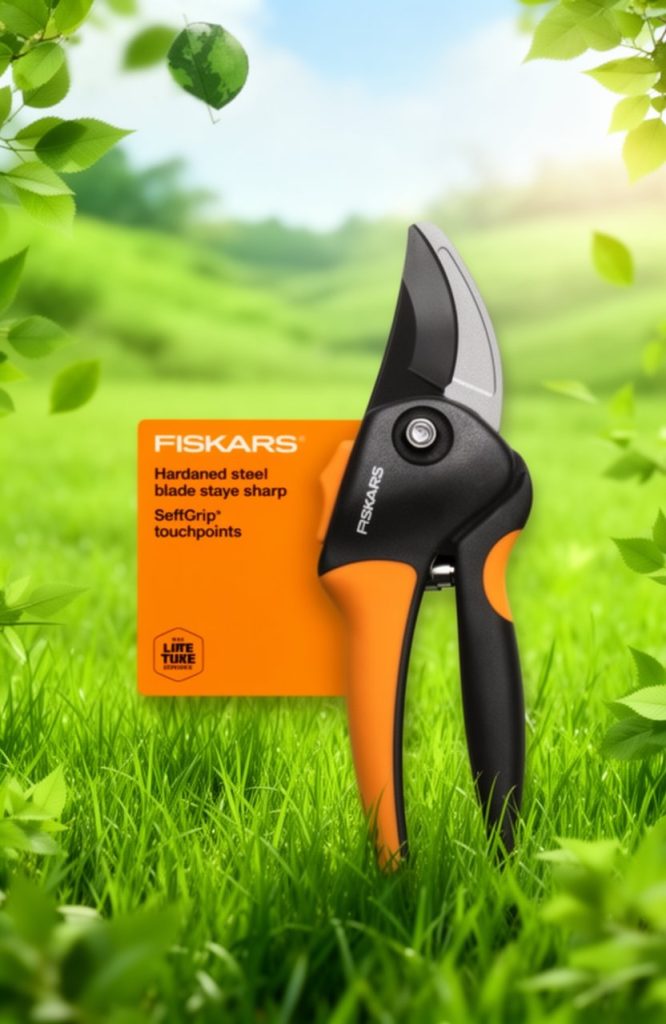
The Fiskars Bypass Pruning Shears with a 5/8″ capacity feature a sharp steel blade with a low-friction coating, delivering smooth, clean cuts that keep plants healthy and reduce stickiness from sap.
You’ll enjoy a self-cleaning sap groove that minimizes sticking, plus a non-slip grip for steady control.
The easy-open lock adds safety while pruning flower stems and herb plants, and the ergonomic handle reduces fatigue during longer sessions.
Built for durability, the steel blades stay sharp through heavy use, backed by a full lifetime warranty for long-term reliability and support.
Best For: gardeners and homeowners needing durable, easy-to-use bypass pruning shears for stems up to 5/8″ with comfortable handling and low-maintenance blades.
Pros:
- Sharp steel blades with a low-friction coating for smooth cuts and rust resistance
- Self-cleaning sap groove reduces gumming and sticking
- Non-slip grip and ergonomic handle for comfortable, controlled use
Cons:
- Limited capacity to 5/8″ may not suit larger stems
- Requires occasional blade maintenance to maintain peak sharpness
- Full lifetime warranty is conditional on proper use and registration
Kynup Pruning Shears (Gardening Scissors)
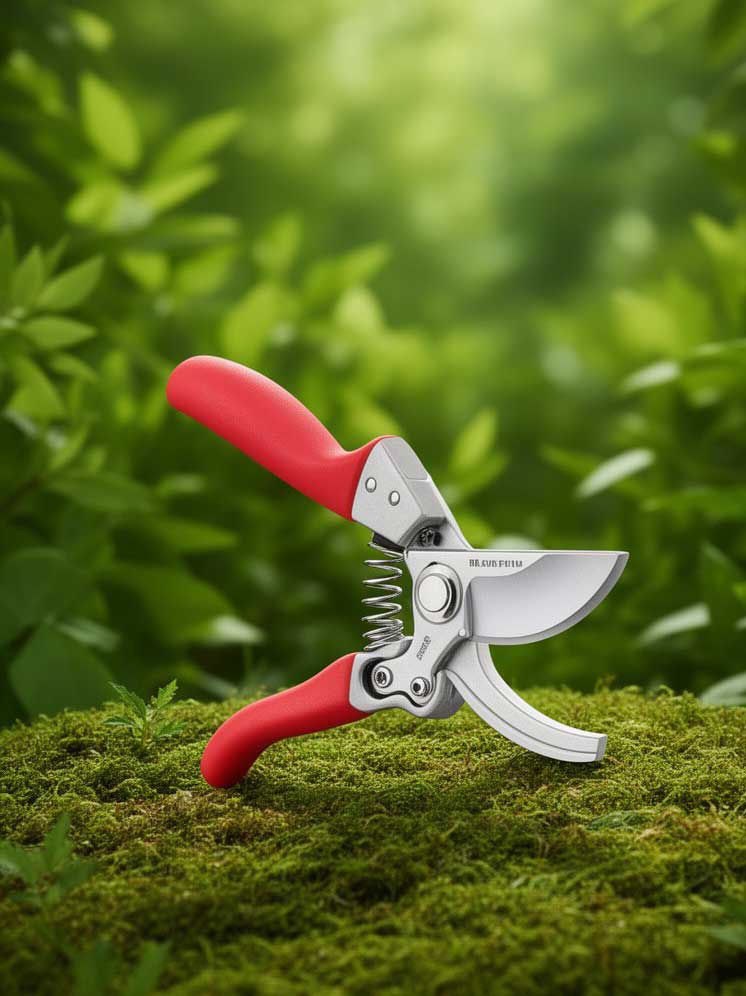
Kynup Pruning Shears stand out if you need heavy-duty reliability in a lightweight package, thanks to their aviation-grade aluminum body and ultra-sharp SK-5 steel blades that cut branches up to 1 inch.
You get rust and corrosion-resistant ultra-strong blades designed for deadheading, shaping plants, and a range of gardening tasks. The ergonomic handle reduces pressure, while a soft, silicone matte material delivers comfort and anti-slip grip.
Lightweight yet durable, the shears feature a one-button lock for quick safety on and off. Nine rounds of surface treatment protect against outdoor wear, ensuring longevity. Versatile for bonsai and shrubs.
Best For: Heavy-duty gardeners who need a lightweight, durable pruner with sharp blades for branches up to 1 inch.
Pros:
- Ultra-sharp SK-5 steel blades for clean, precise cuts.
- Lightweight aviation-grade aluminum body with ergonomic, anti-slip handle.
- Rust- and corrosion-resistant construction with long-lasting durability.
Cons:
- Cutting capacity may vary by wood species and could be challenging on very tough hardwood.
- The one-button lock mechanism adds a small step to operation, which may be slower for quick use.
- Nine rounds of surface treatment, while durable, may not completely prevent wear in extreme outdoor conditions.
Factors to Consider When Choosing Pruning Shears
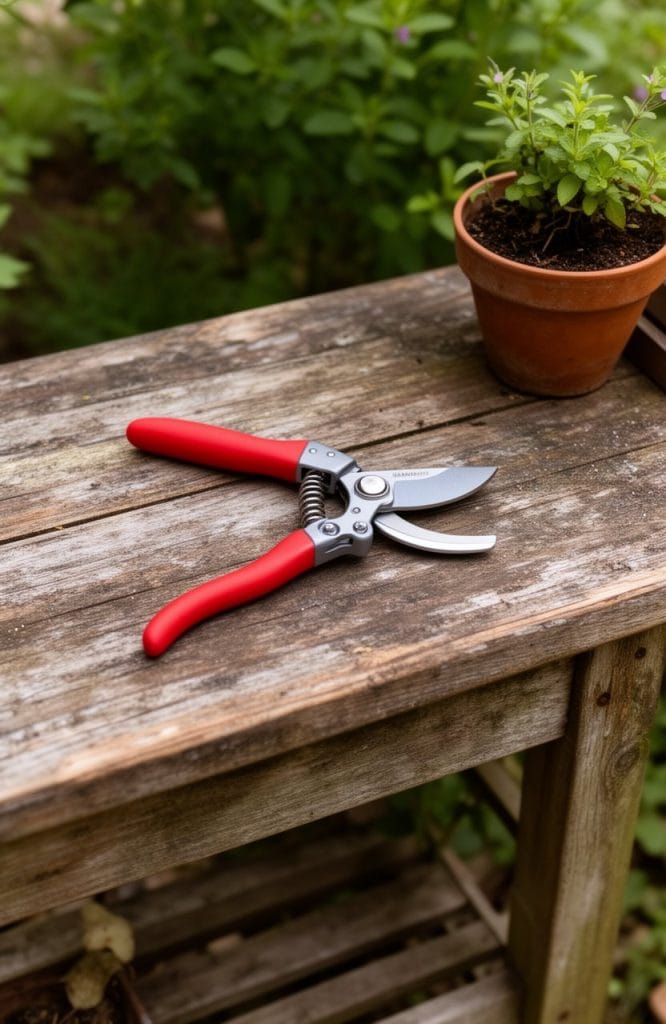
When you choose pruning shears, consider blade type and cut capacity to match your plants, then check for comfort and grip for all-day use.
Look at durability and steel quality, plus an ergonomic design that reduces fatigue during frequent pruning.
Think about how these factors work together to meet your specific gardening needs.
Blade Type Matters
Blade type matters because the blade is your primary cutting tool, and the right kind makes a big difference in performance.
You’ll notice sharper steel blades, like SK-5, stay truer longer and resist rust in outdoor conditions. Look for low-friction coatings that reduce gumming and let you cut smoothly, saving effort over long sessions.
A self-cleaning sap groove helps prevent edge sticking, keeping performance consistent when sap runs or debris builds up. Consider blade design: bypass blades are ideal for delicate stems, while anvil blades handle thicker, woody branches with more backbone.
The combination of blade material, coating, and design determines efficiency, control, and longevity. Choose accordingly to match your pruning tasks and garden conditions.
Cut Capacity Needs
Cut capacity is a key practical factor when choosing pruning shears. When selecting, check the maximum cut capacity, which typically ranges from 5/8 inch to 1 inch in diameter, so you’re prepared for your tasks.
A larger cut capacity lets you trim thicker branches and stems, helping keep established plants healthy. For delicate trimming, like flower stems, a smaller cut capacity minimizes damage.
Assess your intended use: if you frequently work with thicker wood or want versatility, opt for pruners that handle wider cuts to avoid carrying multiple tools.
Compare the cut capacity with your garden’s plant types to guarantee the tools match your pruning needs effectively. This alignment saves time and reduces stress on plants.
Comfort and Grip
Comfort and grip matter just as much as cut capacity, because a well-designed handle reduces fatigue and boosts control during long pruning sessions.
An ergonomic handle design helps you maintain a natural grip, lowering hand strain over time. Look for non-slip grips to improve control and precision, especially on delicate stems that can be easily damaged.
Weight and balance matter too; a lighter pair is easier to maneuver and reduces fatigue during extended tasks. Features like easy-open lock mechanisms add convenience, letting you engage cutting action without extra pressure or finger gymnastics.
Soft materials, such as silicone grips, provide cushioning and extra anti-slip security, improving comfort and handling overall. Choose a design that feels balanced in your hand for sustained, accurate cuts.
Durability and Steel
Durability hinges on the steel and coatings inside the blades. The quality of the steel matters: high-grade options like professional SK-5 deliver sharpness, rust resistance, and lasting edge life.
A rust-resistant blade coating helps maintain performance and lowers maintenance over time. If you expect to cut branches up to 1 inch in diameter, choose a tool built from robust materials that won’t dull under heavy use.
The number of surface treatments signals long-term durability, with more treatments providing better corrosion and wear resistance. Weight and construction material also matter; aviation-grade aluminum alloy keeps the tool light without sacrificing strength, enhancing longevity and ease of use.
In short, prioritize steel quality, coatings, and durable construction for lasting performance.
Ergonomic Design
Ergonomic pruning shears feel like an extension of your hand, combining non-slip grips with balanced weight to reduce fatigue during long sessions.
When you pick a pair, look for comfort-focused designs that minimize hand strain during extended use. An ergonomic handle enhances control, making precise cuts easier across diverse tasks.
Some models feature easy-open lock mechanisms, adding convenience and safety without interrupting your workflow. Award-winning designs often emphasize natural cutting movements, so your hand stays relaxed while you work.
With ergonomic features, you’ll experience more enjoyable gardening and improved cutting efficiency and accuracy. Prioritize grips, weight distribution, and accessible locking options to guarantee the shears fit your grip and routine.
Lock and Safety
Locking and safety aren’t afterthoughts-they keep you in control while you work and protect you during storage and transport.
A reliable lock prevents accidental openings, so you won’t worry about blades snapping shut mid-task or during transport. Look for an easy-open lock feature that lets you switch between lock and release with minimal effort, saving time and reducing frustration.
A one-button lock and release mechanism further simplifies safe operation, especially when you’re moving from branch to branch or adjusting grip. Proper locking enhances stability and security during a variety of gardening tasks, giving you confidence on any terrain.
Safety features in pruning shears not only boost trust in the tool but also help minimize injury risk while you tend your garden.
Maintenance Requirements
Maintenance isn’t glamorous, but it’s essential to keep pruning shears performing at their best. Regular blade cleaning prevents sap buildup, ensuring smoother cuts and extending tool life.
Opt for rust-resistant coatings when possible to minimize ongoing maintenance and preserve blade integrity over time. A self-cleaning sap groove design helps reduce maintenance frequency by preventing blade sticking during use.
Periodically sharpening the blades is essential to maintain cutting performance and prolong effectiveness. Check for worn or damaged parts, such as the locking mechanism, and replace them to boost safety and efficiency.
Pair these practices with proper storage to prevent moisture exposure. By prioritizing cleaning, rust resistance, sap grooves, sharpening, and part checks, you’ll keep your shears ready for year-round garden work.
Value and Warranty
Choosing pruning shears is about value as much as price, and a solid warranty often signals long-term reliability.
When you evaluate options, check the manufacturer’s warranty-something like a full lifetime guarantee signals quality and durability you can trust. A strong guarantee often reflects confidence in performance and can reduce replacement costs over time.
Don’t overlook user ratings; feedback on reliability and effectiveness gives insight into overall value. Look for features that boost longevity, such as rust-resistant materials and specialized coatings. These details matter because they support long-term utility.
Ideal value blends competitive pricing with a robust warranty and favorable customer reviews, ensuring you stay within budget while enjoying dependable cuts and ongoing satisfaction with your pruning tools.
Concluding Thoughts
With the right pruning shears, your garden thrives with cleaner cuts and less effort. The Fiskars options give smooth, precise bites and comfort, while Kynup handles tougher stems without weighing you down.
And the automatic sharpening model keeps blades sharp with minimal fuss. Choose the pair that matches your garden tasks, budget, and maintenance willingness, and you’ll enjoy healthier plants and quicker pruning sessions all year long.
Happy growing in 2026.
Want More Tips Like This?
Sign up here. I’ll let you know when I add or update anything here.
You can also follow me on social media for updates. If you liked this article, share it with your friends.
Til next time,
Sign up, and I’ll let you know when I add or update anything here.
You can also follow me on social media for updates. If you liked this article, please share it with your friends.
Til next time,